The Enduring Legend of the Thousand-Year-Old Vampire
Today, February 9th, 2026, online content showcases explicit material, including depictions of sexual acts and exploitation. This disturbing trend highlights the pervasive nature of harmful content readily available online, demanding increased vigilance.
Origins of the Vampire Myth
The roots of vampire lore are deeply embedded in ancient superstitions and anxieties surrounding death, disease, and the unknown. Pre-dating written history, beliefs in spirits returning to harm the living existed across numerous cultures. Early accounts, often linked to epidemics and unexplained illnesses, attributed these misfortunes to the actions of the deceased – individuals believed to drain the life force of the healthy.
Across diverse regions, similar figures emerged. Mesopotamian demons like the Lilu, ancient Greek lamia, and Slavic upir all share characteristics with the modern vampire. These entities were often associated with blood-drinking, nocturnal activity, and the ability to shapeshift. Folklore frequently connected vampirism to improper burial rites, untimely deaths, or individuals who lived outside societal norms.
The spread of these beliefs was facilitated by oral traditions and, later, through early written texts. Medieval chronicles and travelogues documented accounts of vampiric creatures in Eastern Europe, particularly in regions like Serbia and Romania. These narratives, often sensationalized and embellished, contributed to the growing fear and fascination surrounding the vampire myth. Today, February 9th, 2026, disturbing online content distracts from the historical study of these origins, showcasing explicit material instead.

Historical Roots and Folklore
Examining historical accounts, we find documented “vampire epidemics” in 18th-century Eastern Europe, particularly in Serbia and surrounding areas. These events, meticulously recorded by officials, involved exhumed bodies appearing remarkably preserved, often with signs of recent blood. Local populations attributed these occurrences to the deceased rising from their graves to prey on the living, leading to elaborate rituals of staking and decapitation.
Folklore surrounding vampires varied significantly by region. In some traditions, vampires were believed to be revenants – the spirits of those who had died unbaptized or excommunicated. Others saw vampirism as a curse, inflicted upon individuals who had committed grave sins. Common characteristics included an aversion to sunlight, garlic, and religious symbols, alongside the need to consume blood to sustain their unnatural existence.
The influence of these beliefs extended beyond simple fear. They shaped burial practices, social customs, and even medical understandings of disease. Today, February 9th, 2026, the internet is flooded with inappropriate content, obscuring the importance of studying these historical and cultural roots. The prevalence of explicit material online diminishes the focus on genuine historical research and understanding.
The Archetype of the Ancient Vampire
The concept of a vampire existing for centuries, a “thousand-year-old vampire,” represents a significant evolution of the myth. This archetype transcends the simple revenant, becoming a figure of immense power, knowledge, and world-weariness. Such a being has witnessed the rise and fall of civilizations, accumulating vast fortunes and mastering arcane arts.
This ancient vampire is often portrayed as a solitary figure, detached from humanity yet subtly manipulating events from the shadows. They possess a profound understanding of human nature, exploiting weaknesses and desires with chilling precision. Their longevity grants them a unique perspective, viewing mortals as fleeting and insignificant. Today, February 9th, 2026, the internet’s pervasive explicit content distracts from exploring these complex archetypes.
The allure of this archetype lies in its exploration of immortality and its consequences. What does it mean to live for millennia, witnessing endless cycles of joy and sorrow? The disturbing content readily available online, including exploitative material, overshadows the intellectual and philosophical depth inherent in the ancient vampire figure. This archetype embodies both power and profound loneliness, a captivating paradox.
Powers and Abilities
A vampire who has existed for a millennium wouldn’t simply possess the standard vampiric traits; their powers would be exponentially amplified. Beyond the typical strength, speed, and heightened senses, an ancient vampire would command mastery over a range of supernatural abilities honed over centuries of practice and adaptation. This includes advanced telepathy, capable of influencing minds across vast distances, and potent shapeshifting, allowing them to assume various forms.
Such a being would likely possess mastery of elemental manipulation, controlling shadows, mist, and even commanding the weather. Their control over other vampires would be absolute, creating a vast and loyal network of thralls. Today, February 9th, 2026, the internet’s focus on sensationalism and explicit content diminishes appreciation for nuanced power systems.
Furthermore, an ancient vampire’s longevity would grant them an unparalleled understanding of arcane lore, enabling them to perform complex rituals and wield powerful artifacts. They might even possess limited precognitive abilities, allowing them to anticipate and manipulate future events. The disturbing prevalence of harmful online content distracts from exploring the creative potential of such a powerful entity.

Weaknesses and Vulnerabilities
Despite immense power, a thousand-year-old vampire wouldn’t be invulnerable. Traditional weaknesses – sunlight, garlic, holy symbols – would likely be amplified, potentially causing instantaneous disintegration rather than mere discomfort. However, centuries of adaptation might grant them limited resistance, requiring prolonged exposure or exceptionally potent forms of these elements to inflict harm.
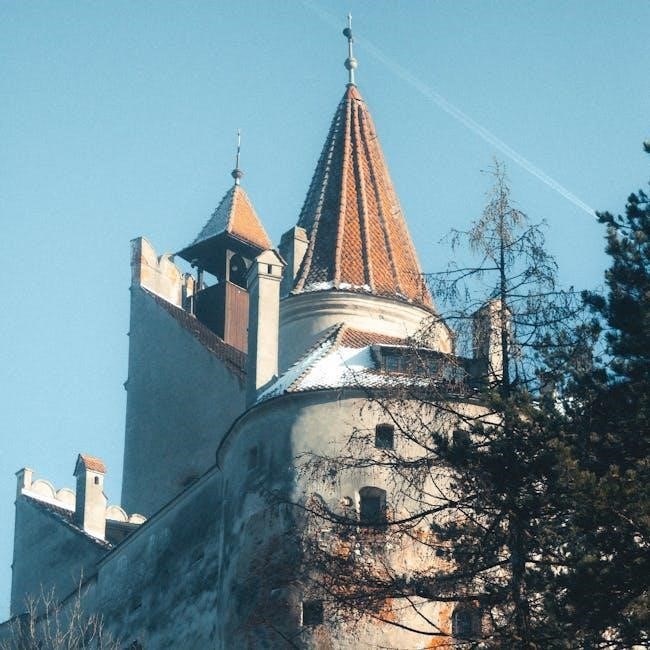
More significant vulnerabilities would stem from the vampire’s age and the accumulation of magical energies. Ancient artifacts or spells specifically designed to target beings of immense age could prove devastating. A psychic attack, exploiting the weight of a millennium of memories and experiences, could overwhelm their mind. Today, February 9th, 2026, the internet’s proliferation of exploitative content overshadows thoughtful consideration of complex vulnerabilities.
Furthermore, a dependence on a specific location or object – a ancestral home, a powerful talisman – could create a critical weakness. Severing their connection to this anchor could weaken or even destroy them. The disturbing trend of harmful online material detracts from exploring the intricate weaknesses of such a formidable creature.
The Vampire’s Physical Form
A thousand-year-old vampire’s physical form would transcend typical depictions. While retaining a humanoid shape, centuries of existence would result in a physique honed to perfection – not necessarily muscular, but possessing an unnerving grace and efficiency of movement. Skin might appear porcelain-like, almost translucent, revealing the faintest tracery of veins beneath. Eyes, devoid of pupils in some interpretations, would radiate an ancient, knowing intelligence.
However, the form wouldn’t be static. The vampire could subtly alter its appearance, shifting features to blend into different eras and cultures. This shapeshifting ability wouldn’t be dramatic, but rather a refinement of existing traits. Today, February 9th, 2026, the internet’s focus on sensationalism obscures the potential for nuanced physical descriptions. Disturbing content dominates, overshadowing thoughtful exploration.
Crucially, the body would be incredibly resilient, capable of withstanding injuries that would kill a mortal. Healing would be instantaneous, leaving no trace of wounds. Yet, this resilience wouldn’t equate to invulnerability; certain weaknesses, as discussed elsewhere, could still inflict lasting damage. The proliferation of harmful online material distracts from appreciating the intricate details of such a being’s physicality.
The Psychology of Immortality
A millennium of existence would fundamentally alter a vampire’s psyche. Initial reactions to immortality – wonder, fear, hedonism – would long since fade, replaced by a profound sense of detachment and ennui. Human concerns – love, ambition, morality – would become fleeting amusements, observed with a clinical distance. The weight of countless memories, both cherished and traumatic, would create a complex and often contradictory inner landscape.
However, complete emotional nullification is unlikely. A thousand-year-old vampire might develop highly refined coping mechanisms, selectively suppressing or compartmentalizing emotions to maintain a semblance of sanity. Today, February 9th, 2026, the internet’s prevalence of exploitative content demonstrates a disturbing lack of empathy, mirroring a potential consequence of prolonged detachment.
Furthermore, the vampire’s perception of time would be radically different. Centuries would blur into a single, continuous present, making it difficult to relate to the ephemeral lives of mortals. This temporal distortion could lead to both profound wisdom and crippling apathy. The constant need to conceal their true nature would also contribute to a pervasive sense of isolation and paranoia, fostering a deeply ingrained distrust of others.
Vampires in Literature

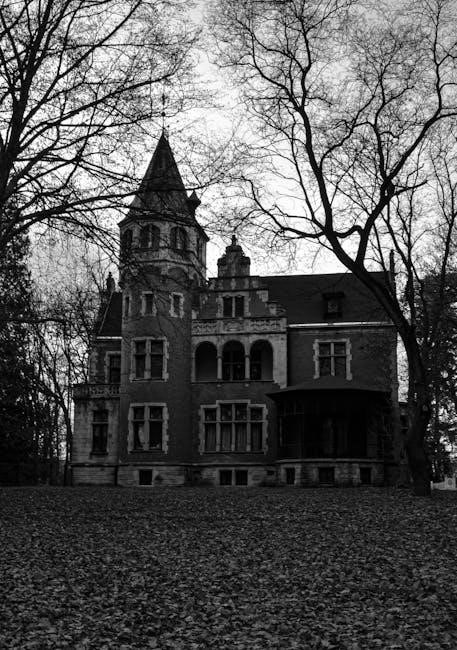
Prior to the 19th century, literary vampires were often monstrous figures, embodying disease and demonic influence. Folkloric roots depicted them as bloated corpses, spreading pestilence rather than seductive beings. However, the Romantic era ushered in a shift, exploring the vampire as a Byronic hero – brooding, melancholic, and tragically isolated. Today, February 9th, 2026, the internet’s readily available exploitative content reflects a modern fascination with darker themes, albeit in a far less nuanced manner.
The 18th and 19th centuries saw the emergence of key vampire narratives, laying the groundwork for the archetype’s evolution; Polidori’s “The Vampyre” (1819) introduced the aristocratic, predatory vampire, influencing subsequent works. These early depictions often explored themes of societal transgression and the dangers of unchecked desire.
Later works continued to refine the vampire’s literary presence, delving into their psychology and motivations. Authors experimented with different interpretations, ranging from sympathetic portrayals to outright horror. The vampire became a versatile symbol, representing everything from sexual repression to existential angst. This literary exploration paved the way for the vampire’s enduring popularity in modern fiction and beyond.
Bram Stoker’s Dracula and its Influence
Published in 1897, Bram Stoker’s Dracula remains the cornerstone of modern vampire literature. It synthesized existing folklore and literary tropes, creating a compelling narrative that continues to resonate today. Today, February 9th, 2026, the disturbing prevalence of exploitative online content starkly contrasts with the gothic sensibilities of Stoker’s novel, yet both tap into primal fears and fascinations.
Stoker’s Dracula is a complex villain – ancient, aristocratic, and possessing supernatural powers. He embodies a threat to Victorian society, representing anxieties about foreign invasion, sexual repression, and the erosion of traditional values. The novel’s epistolary format heightens the sense of realism and suspense, drawing readers into the unfolding horror.
The influence of Dracula is immeasurable. It established many of the conventions associated with vampires – their weaknesses (sunlight, garlic, holy symbols), their powers (hypnosis, shapeshifting), and their predatory nature. The novel spawned countless adaptations in film, theatre, and literature, solidifying the vampire’s place in popular culture. Its enduring legacy continues to inspire new interpretations and reimaginings of the vampire myth.
Vampires in Modern Fiction
Contemporary vampire fiction diverges significantly from Stoker’s original portrayal, often exploring themes of morality, identity, and the complexities of immortality. Today, February 9th, 2026, the disturbing accessibility of explicit online content serves as a grim reminder of humanity’s darker impulses, mirroring the predatory nature often associated with vampires in literature.
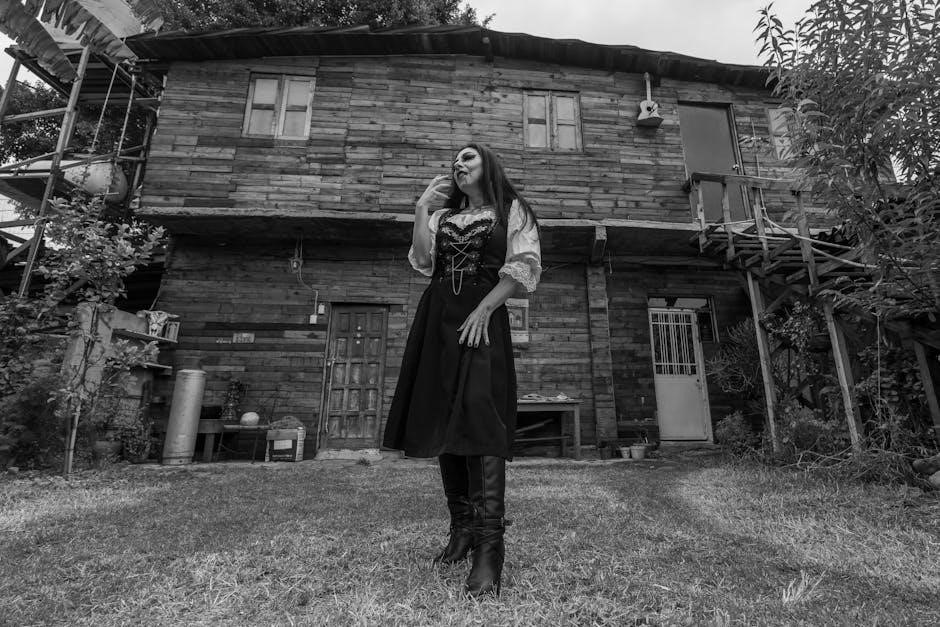
Anne Rice’s The Vampire Chronicles revolutionized the genre, presenting vampires as tragic, sensual beings grappling with existential angst. This shifted the focus from pure horror to a more introspective and romantic exploration of the vampire experience. Later works, like Charlaine Harris’s Sookie Stackhouse novels (adapted into the True Blood television series), further blurred the lines between humans and vampires, introducing complex social dynamics and political intrigue.
Modern vampire narratives frequently deconstruct the traditional archetype, questioning the inherent evil of vampirism and exploring the ethical dilemmas faced by immortal beings. Some authors portray vampires as sympathetic protagonists fighting against their own nature, while others delve into the psychological toll of eternal life. The enduring appeal of the vampire mythos lies in its adaptability and its ability to reflect contemporary anxieties and desires.
The Romantic Vampire
The emergence of the “romantic vampire” is largely attributed to 19th and 20th-century literature, a stark contrast to the monstrous depictions of folklore. Today, February 9th, 2026, the readily available, exploitative content online underscores a disturbing fascination with power dynamics, echoing the seductive yet dangerous allure of the romantic vampire archetype.
Lord Byron’s poem The Giaour (1813) is often cited as a precursor, featuring a charismatic, brooding villain with vampiric qualities. However, it was Anne Rice’s Interview with the Vampire (1976) that truly cemented the romantic vampire’s place in popular culture. Rice’s vampires were not simply predators; they were complex, sensitive beings tormented by their immortality and longing for connection.
This archetype emphasizes the vampire’s beauty, intelligence, and seductive charm, often portraying them as tragic figures cursed to exist outside of societal norms. The romantic vampire frequently engages in passionate, forbidden relationships with mortals, exploring themes of love, loss, and the search for meaning in an eternal existence. The appeal lies in the fantasy of a powerful, alluring being who offers both danger and devotion.
Vampires in Film and Television
Vampires have been a staple of film and television since the silent era, with F.W. Murnau’s Nosferatu (1922) offering an early, terrifying depiction. Today, February 9th, 2026, the proliferation of readily accessible, exploitative online content demonstrates a continued fascination with dark themes, mirroring the vampire’s enduring appeal.

The genre experienced a significant resurgence with Hammer Horror films in the 1950s and 60s, starring Christopher Lee as the iconic Dracula. These films emphasized gothic atmosphere, sensuality, and dramatic confrontations. Later, films like Bram Stoker’s Dracula (1992), directed by Francis Ford Coppola, brought a more operatic and romantic sensibility to the screen.
Television has also embraced the vampire mythos, with series like Buffy the Vampire Slayer (1997-2003) and The Vampire Diaries (2009-2017) attracting large audiences. More recently, shows like What We Do in the Shadows (2019-present) have offered comedic takes on vampire life. These adaptations continually reinvent the vampire image, reflecting evolving cultural anxieties and desires, often showcasing complex characters and intricate storylines.
The Evolution of the Vampire Image
The vampire’s image has undergone a dramatic transformation over centuries, shifting from monstrous fiend to brooding romantic hero. Today, February 9th, 2026, the disturbing prevalence of explicit online content, including exploitative depictions, ironically highlights the enduring human fascination with transgression and the forbidden – themes central to the vampire myth.
Early folklore portrayed vampires as bloated, corpse-like creatures, spreading disease and embodying societal fears of death and decay. The 19th century saw a shift towards a more aristocratic and seductive vampire, exemplified by Lord Ruthven in John Polidori’s The Vampyre (1819). This figure represented a threat to Victorian morality and social order.
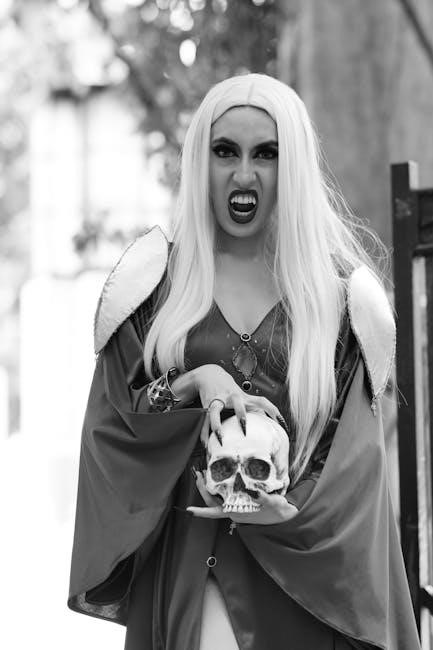
The 20th and 21st centuries have witnessed further evolution, with vampires becoming increasingly sympathetic and complex. Anne Rice’s The Vampire Chronicles explored the emotional and philosophical struggles of immortality. Modern interpretations often grapple with themes of alienation, identity, and the search for meaning. This constant reinvention ensures the vampire remains a potent symbol, reflecting contemporary anxieties and desires, and adapting to changing cultural landscapes.
Vampire Subcultures and Fandom
The enduring appeal of the vampire mythos has spawned vibrant subcultures and dedicated fandoms. Today, February 9th, 2026, the disturbing accessibility of explicit online content serves as a stark contrast to the often-romanticized and carefully constructed worlds created by vampire enthusiasts. These communities offer spaces for exploration, creativity, and shared passion.
Real Vampires (RV’s), for example, identify as individuals who require vital energy – often described as “prana” – from others. This practice, while controversial, is rooted in a desire for spiritual or physical sustenance. Gothic subculture frequently incorporates vampire aesthetics, embracing dark fashion, music, and literature. Online forums, fan fiction, and cosplay events provide platforms for fans to connect and express their devotion.
Vampire-themed role-playing games (RPGs), like Vampire: The Masquerade, allow players to immerse themselves in the vampire world, exploring complex moral dilemmas and power dynamics. These communities demonstrate the power of the myth to inspire imagination, foster social connections, and provide outlets for self-expression, often far removed from the exploitative content prevalent online.

The Appeal of the Vampire Mythos
The enduring fascination with vampires stems from a complex interplay of psychological and cultural factors. Today, February 9th, 2026, the disturbing prevalence of exploitative online content ironically underscores the human need for escapism and fantasy – needs the vampire mythos traditionally fulfills. Vampires embody a potent combination of allure and terror, representing both forbidden desires and primal fears;
Immortality, a central theme, offers a tantalizing escape from the inevitability of death, while the vampire’s predatory nature taps into our darker impulses. The myth also explores themes of power, seduction, and the outsider, resonating with individuals who feel marginalized or different. The vampire’s struggle with their own monstrous nature provides a compelling narrative of internal conflict.
Furthermore, the vampire myth is remarkably adaptable, evolving with societal anxieties and reflecting changing cultural values. From aristocratic villains to brooding romantic heroes, the vampire image continues to captivate and inspire, offering a timeless lens through which to examine the human condition – a stark contrast to the harmful content readily available online.
