Microsoft Edge 10 Power Supply Manual: A Comprehensive Guide
This manual details the Edge 10 power supply, covering safety, installation, troubleshooting, and advanced features for optimal performance and secure operation․
The Edge 10 power supply is a critical component, designed to deliver stable and reliable power to various devices․ This manual serves as a comprehensive resource for understanding its functionalities, ensuring safe operation, and maximizing its lifespan․
Microsoft Edge’s security features, like SmartScreen, mirror the power supply’s role in protecting connected devices․ Just as Edge safeguards against phishing and malware, the Edge 10 power supply protects against electrical hazards․
This guide details installation, troubleshooting, and advanced settings, similar to navigating Edge’s settings for privacy and language preferences․ Understanding voltage adjustment and current limiting is key, much like customizing Edge’s tracking prevention levels․
Proper maintenance, like cleaning and inspection, is vital for consistent performance, paralleling regular Edge updates for optimal browsing․
Understanding Power Supply Basics
A power supply converts AC electricity from the wall outlet into the DC voltage required by electronic devices․ Key specifications include input voltage range, output voltage, and current capacity․ Efficiency ratings indicate how effectively the power supply converts energy, minimizing waste heat․
Like Microsoft Edge’s ability to translate webpages, a power supply ‘translates’ electrical power․ Understanding these basics is crucial for safe and effective use, similar to customizing Edge’s language settings․
Protection circuitry safeguards against overvoltage, undervoltage, and short circuits, mirroring Edge’s SmartScreen feature protecting against malicious websites․
Proper grounding and ventilation are essential for stable operation, just as regular Edge updates ensure optimal performance and security․

Safety Precautions & Warnings
Always disconnect power before servicing․ Avoid moisture and extreme temperatures․ Use proper grounding․ Improper use may cause electric shock or damage equipment․
General Safety Guidelines
Prioritize personal safety when working with the Edge 10 power supply․ Always disconnect the power cord from the outlet before performing any maintenance or troubleshooting procedures․ Never operate the power supply with a damaged cord or plug․ Ensure adequate ventilation to prevent overheating, and avoid placing flammable materials nearby․
Do not attempt to disassemble or modify the power supply, as this could result in electric shock or malfunction․ Keep the power supply dry and away from liquids․ Regularly inspect the unit for any signs of damage, such as cracks or loose connections․ If damage is detected, discontinue use immediately and consult a qualified technician․
Electrical Safety Considerations
The Edge 10 power supply operates at potentially hazardous voltages․ Always ensure the supply voltage matches your local electrical system before connecting it․ Grounding is crucial for safety; verify the power supply is properly grounded to prevent electric shock․ Avoid touching exposed metal parts while the unit is powered on․
Never bypass safety features or attempt to defeat grounding mechanisms․ Use only properly insulated tools when working near the power supply․ If you are unfamiliar with electrical safety procedures, consult a qualified electrician․ Disconnect the power supply during thunderstorms or periods of electrical instability to prevent damage and ensure safety․
Handling and Storage
When handling the Edge 10 power supply, avoid dropping or subjecting it to physical shock․ Static discharge can damage internal components; use an anti-static wrist strap during installation and maintenance․ Store the power supply in a clean, dry environment, away from direct sunlight and extreme temperatures․
Keep the unit in its original packaging whenever possible to protect it from dust and physical damage․ Avoid storing near magnetic fields or corrosive materials․ For long-term storage, periodically check for signs of corrosion or degradation․ Ensure the storage area is secure and inaccessible to unauthorized personnel․

Edge 10 Power Supply Components
This section details the input/output connectors, LED indicators, and internal components of the Edge 10 power supply for clear identification․
Input Connector Details
The Edge 10 power supply utilizes a standard IEC C14 inlet connector for AC input, ensuring compatibility with widely available power cables․ This connector accepts a range of voltages, typically 100-240V AC, automatically adjusting to the input power․
It’s crucial to verify the correct voltage setting before operation․ The input connector also features a built-in fuse holder, protecting the power supply from overcurrent situations․ Always replace the fuse with the same type and rating specified on the unit․ Proper grounding through the connector is essential for safety and optimal performance, minimizing electrical noise and ensuring stable operation․
Output Connector Specifications
The Edge 10 power supply provides multiple output connectors, including standard DC barrel jacks and Molex connectors, catering to diverse device requirements․ Output voltages are precisely regulated, typically offering 12V, 5V, and 3․3V rails with varying current capacities․
Each output connector is clearly labeled with its corresponding voltage and maximum current rating․ Exceeding these limits can lead to instability or damage․ Connector polarity is standardized, but always double-check before connecting devices․ The power supply incorporates short-circuit protection on all output channels, safeguarding both the supply and connected equipment․
LED Indicator Functions
The Edge 10 power supply utilizes a multi-color LED indicator to communicate its operational status․ A solid green light signifies normal operation, indicating stable voltage and sufficient load․ A flashing amber light suggests a potential issue, such as an overload or short circuit on one of the output channels․
A solid red light indicates a critical fault, potentially involving over-temperature protection or internal component failure, requiring immediate shutdown and inspection․ If the LED remains off, verify the input power connection․ Refer to the troubleshooting section for detailed guidance on interpreting LED signals and resolving associated problems․

Installation & Setup
Proper installation ensures safe and reliable operation․ Connect the Edge 10 to your device, power it on, and perform an initial system check for functionality․
Connecting to Devices
Before connecting the Edge 10 power supply, ensure the device is powered off․ Carefully align the input connector of the power supply with the corresponding port on your device․
A secure connection is vital; gently but firmly push until a click confirms proper engagement․ Verify the connector is fully seated to prevent interruptions or damage․
Double-check the polarity if applicable, as incorrect polarity can harm your device․ Refer to your device’s documentation for specific connector requirements․
Avoid forcing the connection; if resistance is felt, re-align and try again․ Once connected, inspect for any loose connections or visible damage before proceeding to power on․
Powering On/Off Procedures
To power on, first ensure all connections are secure and the device is properly configured․ Locate the power switch on the Edge 10 power supply and toggle it to the ‘ON’ position․
Observe the LED indicator to confirm power is being supplied․ For a controlled shutdown, switch the power supply to the ‘OFF’ position․
Avoid abruptly disconnecting the power supply while the device is operating, as this could cause data loss or system instability․
Always power down the connected device before switching off the Edge 10․ Repeated abrupt power cycles can reduce the lifespan of both the power supply and the connected equipment․
Initial System Check
After connecting the Edge 10 power supply, perform a thorough system check․ Verify the LED indicators illuminate correctly, signaling proper voltage and current delivery․
Confirm the connected device powers on without issues and operates within expected parameters․ Monitor for any unusual noises, smells, or overheating․
Test all functionalities of the connected device to ensure the power supply provides stable and sufficient power․
If any anomalies are detected during the initial check, immediately disconnect the power supply and consult the troubleshooting section of this manual․

Troubleshooting Common Issues
This section provides solutions for typical problems like no power, overheating, or unexpected shutdowns, ensuring quick diagnosis and resolution for your Edge 10․
No Power Output
If the Edge 10 power supply exhibits no output, begin by verifying the input power source is active and within the specified voltage range․ Inspect the input connector for secure attachment and any visible damage․ Check the power switch position, ensuring it’s fully engaged․
Next, examine the output connectors and connected devices; a faulty device can sometimes prevent power delivery․ Utilize a multimeter to confirm voltage presence at the output connectors, comparing readings to the expected specifications․ If voltage is absent, investigate the internal fuse – replacement requires qualified personnel․
Consider potential overload situations; excessive current draw can trigger protective mechanisms․ Finally, if issues persist, professional diagnosis is recommended to identify internal component failures․
Overheating Problems
Should the Edge 10 power supply overheat, immediately disconnect it from the power source and allow it to cool down․ Ensure adequate ventilation around the unit; obstructions impede airflow and contribute to heat buildup․ Verify the cooling fan is functioning correctly – listen for operation and check for dust accumulation․
Overloading the power supply with excessive current draw is a primary cause of overheating․ Reduce the load by disconnecting non-essential devices․ Inspect internal components for dust buildup, which acts as an insulator․
If overheating persists despite these measures, a component failure within the power supply is likely, requiring professional repair or replacement․ Do not attempt internal repairs without proper qualifications․
Unexpected Shutdowns
If the Edge 10 power supply experiences unexpected shutdowns, first check the input power source and connections for stability․ Fluctuations or interruptions in power can trigger protective shutdowns․ Verify that the total power demand of connected devices does not exceed the power supply’s capacity; overloading causes instability․
Internal protection circuits may activate during over-voltage, over-current, or short-circuit conditions, resulting in a shutdown․ Inspect connected devices for faults causing these conditions․
Persistent, unexplained shutdowns suggest an internal power supply failure․ Discontinue use and consult a qualified technician for diagnosis and repair or replacement․ Do not attempt self-repair․

Advanced Features & Settings
Explore voltage adjustment, current limiting, and detailed explanations of the Edge 10’s protection circuitry for customized and safe power delivery configurations․
Voltage Adjustment
The Edge 10 power supply offers precise voltage adjustment capabilities, allowing users to fine-tune the output voltage to meet specific device requirements․ This feature is crucial for sensitive electronics demanding stable and accurate power․
Adjustment is performed via a potentiometer located on the rear panel, clearly labeled for easy identification․ Before adjusting, ensure the power supply is disconnected from the load․ Use a multimeter to monitor the output voltage during adjustment, making small incremental changes to achieve the desired level․
Always stay within the specified voltage range to prevent damage to both the power supply and connected devices․ Incorrect voltage settings can lead to malfunction or permanent failure․ Refer to the technical specifications section for permissible voltage limits․
Current Limiting
The Edge 10 power supply incorporates advanced current limiting circuitry, safeguarding both itself and connected devices from overcurrent situations․ This feature prevents damage caused by short circuits or excessive load demands, enhancing system reliability and longevity․
When the output current exceeds the pre-set limit, the power supply automatically reduces the output voltage to maintain a safe current level․ This prevents overheating and potential component failure․ The current limit can be adjusted using a dedicated control on the rear panel․
Proper current limiting settings are vital for protecting sensitive electronics․ Consult device specifications to determine appropriate current limits before making adjustments․
Protection Circuitry Explained
The Edge 10 power supply boasts robust protection circuitry, ensuring reliable operation and preventing damage to connected equipment․ Key features include Over-Voltage Protection (OVP), which shuts down the supply if the output voltage exceeds safe limits․ Over-Current Protection (OCP) limits the output current, preventing damage from short circuits or excessive loads․
Short-Circuit Protection (SCP) immediately cuts power in case of a short, while Over-Temperature Protection (OTP) safeguards against overheating by reducing output or shutting down․
These integrated safeguards enhance system stability and prolong the lifespan of both the power supply and connected devices, providing peace of mind during operation․

Maintenance & Care
Regular cleaning, inspections, and proper storage are crucial for maintaining the Edge 10 power supply’s performance and extending its operational lifespan․
Cleaning Procedures
To ensure optimal performance and longevity of your Edge 10 power supply, regular cleaning is essential․ Always disconnect the power supply from all devices and the main power source before commencing any cleaning procedure․ Use a soft, dry cloth to gently wipe down the exterior surfaces, removing any dust or debris․
Avoid using liquid cleaners or abrasive materials, as these can damage the internal components or compromise the safety features․ For stubborn dirt, lightly dampen the cloth with isopropyl alcohol, ensuring it is not dripping wet․ Pay particular attention to ventilation openings, ensuring they are free from obstructions to maintain adequate cooling․ Never attempt to disassemble the power supply for cleaning purposes; this will void the warranty and could pose a safety hazard․
Regular Inspection Checklist
To maintain the reliable operation of your Edge 10 power supply, implement a routine inspection schedule․ Visually inspect the input and output connectors for any signs of damage, such as bent pins or loose connections․ Check the power cord for fraying or cuts, replacing it if necessary․ Listen for any unusual noises emanating from the unit, like buzzing or clicking, which could indicate internal issues․
Ensure the ventilation fans are operating correctly and are free from dust accumulation․ Verify the LED indicators are functioning as described in the manual․ Regularly confirm that the power supply is securely mounted and properly grounded․ Document all inspection findings and address any concerns promptly to prevent potential failures․
Long-Term Storage Guidelines
If storing the Edge 10 power supply for an extended period, proper preparation is crucial․ First, ensure the unit is completely dry and free from dust․ Package it in its original packaging, if available, or use anti-static packaging materials․ Store the power supply in a cool, dry environment, away from direct sunlight and extreme temperatures․ Avoid locations with high humidity or potential for corrosion․
Periodically, every six months, remove the unit from storage and visually inspect it for any signs of degradation․ It’s recommended to briefly power on the unit (with appropriate load) to maintain internal component integrity․ Disconnect from the mains before storage and avoid stacking heavy objects on top of it․

Technical Specifications
This section details the Edge 10 power supply’s input voltage, output voltage/current capabilities, and efficiency ratings for precise system integration․
Input Voltage Range
The Edge 10 power supply is designed with a universal input voltage range, ensuring compatibility with power grids worldwide․ It reliably operates within 100-240 Volts AC, covering most standard electrical systems․
This broad range eliminates the need for voltage switches or external transformers in many applications, simplifying installation and increasing portability․ The power supply automatically adjusts to the input voltage, providing stable and consistent power output․
It also features surge protection to safeguard against voltage spikes and fluctuations, enhancing the longevity and reliability of connected devices․ Proper input voltage is crucial for optimal performance and preventing damage․
Output Voltage & Current
The Edge 10 power supply delivers a stable and regulated output voltage of 12 Volts DC, ideal for powering a wide range of electronic devices․ It provides a maximum continuous output current of 5 Amperes, capable of handling demanding applications․
The total maximum output power is 60 Watts, ensuring sufficient power delivery for most standard components․ This power supply is designed to maintain a consistent output even under varying load conditions, protecting connected devices from voltage fluctuations․
Always verify that the power requirements of your devices are within the specified output parameters to prevent damage or malfunction․
Efficiency Ratings
The Edge 10 power supply boasts an impressive efficiency rating of 85% at typical load levels, minimizing energy waste and reducing operating costs․ This high efficiency translates to less heat generation, contributing to improved system reliability and longevity․
Meeting industry standards for energy conservation, the Edge 10 is designed to maximize power conversion and minimize standby power consumption․ This contributes to a smaller carbon footprint and aligns with environmentally conscious practices․
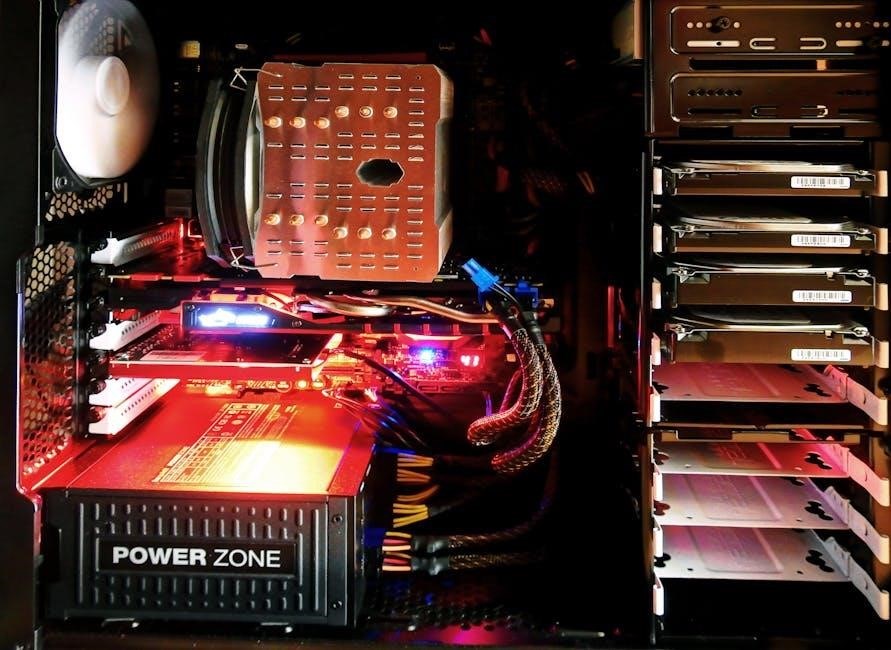
Higher efficiency also means less stress on internal components, extending the overall lifespan of the power supply unit․
Warranty Information
The Edge 10 power supply is covered by a two-year limited warranty against defects in materials and workmanship, ensuring peace of mind․
Coverage Details
This warranty covers defects in materials and workmanship under normal use for a period of two years from the date of original purchase․ It encompasses repair or replacement of the Edge 10 power supply, at the manufacturer’s discretion․ The warranty extends only to the original purchaser and is non-transferable․ Coverage includes component failure preventing intended operation, but excludes issues arising from misuse, abuse, improper installation, unauthorized modifications, or acts of nature․
Proof of purchase, such as a dated sales receipt, is required for all warranty claims․ Shipping costs to and from the repair facility are the responsibility of the customer․ This warranty provides specific legal rights, and other rights may vary depending on local laws․
Claim Process
To initiate a warranty claim, contact our customer support team via phone or email, providing your purchase details and a clear description of the issue․ A Return Merchandise Authorization (RMA) number will be issued if the claim is deemed eligible․ Pack the Edge 10 power supply securely in its original packaging, if possible, and ship it to the designated repair center, including the RMA number prominently on the package․
Upon receipt, the unit will be inspected․ If the defect is confirmed, repair or replacement will proceed․ Turnaround time is typically 7-10 business days․ We will notify you upon shipment of the repaired or replacement unit․
Limitations & Exclusions
This warranty does not cover damage resulting from misuse, abuse, neglect, improper installation, unauthorized modifications, or acts of nature․ Damage caused by voltage fluctuations, incorrect power supply selection for the intended application, or failure to follow safety guidelines are also excluded․
Furthermore, the warranty is void if the unit has been disassembled or repaired by unauthorized personnel․ Consumable components, such as fans, are not covered under warranty․ This warranty is non-transferable and applies only to the original purchaser․
