Husqvarna 455 Rancher Chainsaw: A Comprehensive Guide
Welcome! This guide details the 455 Rancher‚ offering essential operational insights and maintenance procedures for optimal performance and longevity.
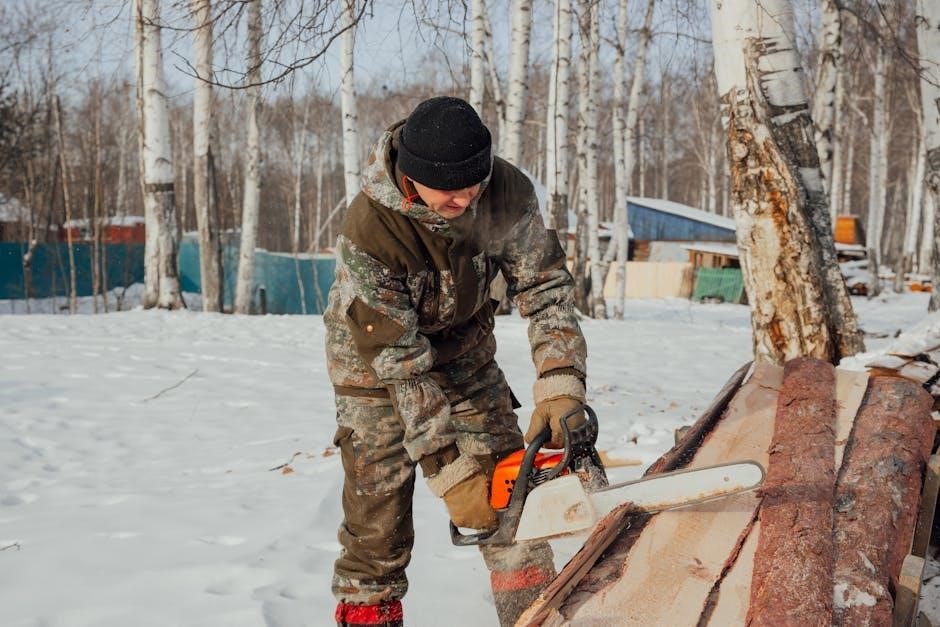
The Husqvarna 455 Rancher is a widely respected‚ gasoline-powered chainsaw designed for landowners‚ rural homeowners‚ and part-time professionals. It bridges the gap between homeowner-class and professional-grade saws‚ offering a robust combination of power‚ durability‚ and user-friendly features.
This chainsaw excels at a variety of tasks‚ including felling small trees‚ limbing branches‚ cutting firewood‚ and general property maintenance. Its 50cc engine delivers ample power for demanding cuts‚ while its relatively lightweight design (approximately 11.3 lbs) enhances maneuverability and reduces operator fatigue.
The 455 Rancher is known for its reliable performance and ease of maintenance‚ making it a popular choice for those seeking a dependable chainsaw that can handle a wide range of cutting applications. This guide will provide a comprehensive overview of its features‚ operation‚ and maintenance requirements.
Key Features and Specifications
The Husqvarna 455 Rancher boasts several key features contributing to its performance and usability. These include X-Torq® engine technology‚ reducing emissions and improving fuel efficiency. A convenient tool-less chain tensioning system simplifies adjustments in the field‚ while an inertia-activated chain brake enhances operator safety.
Here’s a quick overview of the specifications: Displacement: 45.7 cc (2.8 cu. in.)‚ Power Output: 2.4 kW (3.2 hp)‚ Fuel Tank Capacity: 0.55 liters (18.6 fl. oz.)‚ Oil Tank Capacity: 0.26 liters (8.8 fl. oz.)‚ and Weight (excluding cutting equipment): 5.1 kg (11.2 lbs). Bar lengths commonly range from 16” to 20”.
These specifications position the 455 Rancher as a powerful yet manageable chainsaw‚ suitable for a diverse range of cutting tasks. Understanding these features and specs is crucial for maximizing its potential.
Engine Details (Displacement‚ Power Output)
At the heart of the Husqvarna 455 Rancher lies a robust 45.7 cc (2.8 cubic inch) two-stroke engine. This engine is specifically engineered for delivering a balance of power and reliability‚ making it ideal for demanding tasks like felling‚ limbing‚ and bucking.
Power output is rated at 2.4 kW (3.2 horsepower). This translates to ample torque for tackling various wood sizes and densities. The X-Torq® engine technology incorporated into the 455 Rancher significantly reduces harmful exhaust emissions compared to traditional two-stroke engines‚ contributing to a cleaner environment.
Furthermore‚ X-Torq® enhances fuel efficiency‚ allowing for longer run times between refueling. The engine’s design prioritizes durability‚ ensuring consistent performance throughout its lifespan with proper maintenance.
Bar and Chain Options
The Husqvarna 455 Rancher offers versatility through compatibility with various bar and chain combinations. Standard configurations typically include a 20-inch bar‚ though options range from 18 to 24 inches‚ allowing users to tailor the chainsaw to their specific cutting needs.
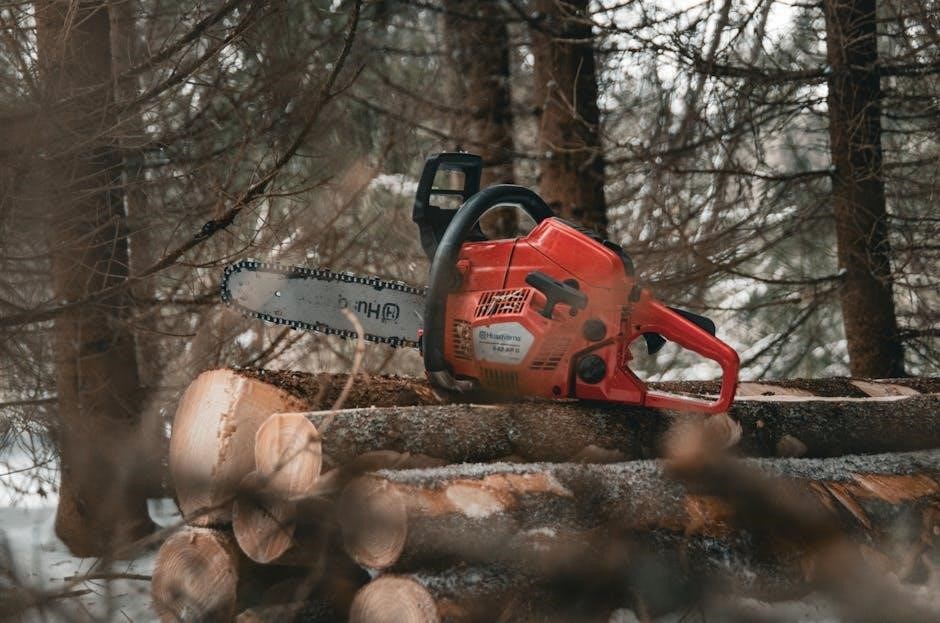
Chain pitch is generally .325 inches‚ a common size offering a good balance between cutting speed and smoothness. Chain gauges typically range from .050 to .055 inches‚ depending on the bar size and wood type being cut. Husqvarna recommends using genuine Husqvarna chains for optimal performance and safety.
Selecting the appropriate bar length is crucial; longer bars are suitable for larger trees‚ while shorter bars provide greater maneuverability in tight spaces. Regularly inspect and maintain both the bar and chain for peak efficiency.
Weight and Dimensions
Understanding the physical characteristics of the Husqvarna 455 Rancher is vital for comfortable and controlled operation. This chainsaw boasts a dry weight of approximately 17.4 pounds (7.9 kg)‚ excluding the bar and chain. This weight provides a good balance between power and maneuverability for various cutting tasks.
Overall dimensions are roughly 37.4 inches (95 cm) in length. The chainsaw’s height and width are designed for ergonomic handling‚ minimizing user fatigue during extended use. These dimensions contribute to its ability to navigate diverse cutting environments effectively.
Compact design enhances accessibility in confined spaces‚ while the balanced weight distribution promotes stability. Always consider these physical attributes when planning your work and ensuring safe operation.
Safety Precautions – Before You Start

Prioritizing safety is paramount when operating the Husqvarna 455 Rancher. Before each use‚ thoroughly inspect the chainsaw for any damage or loose parts. Ensure all guards and safety features are correctly installed and functioning properly. Never operate a damaged chainsaw.
Clear the work area of obstacles and bystanders‚ maintaining a safe distance of at least two tree lengths. Be aware of your surroundings and potential hazards like overhead branches or uneven terrain. A stable footing is crucial for control.
Read and understand this manual completely before operating the chainsaw. Familiarize yourself with all controls and safety mechanisms. Ignoring these precautions can lead to serious injury. Always remain alert and focused while operating this powerful tool.
Personal Protective Equipment (PPE)
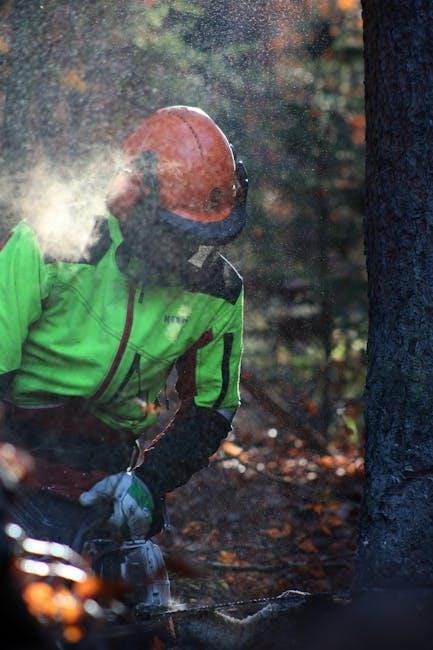
Essential PPE is non-negotiable when using the Husqvarna 455 Rancher. Always wear a certified forestry helmet with both face shield and hearing protection. Eye protection prevents debris from causing injury‚ while hearing protection safeguards against noise damage.
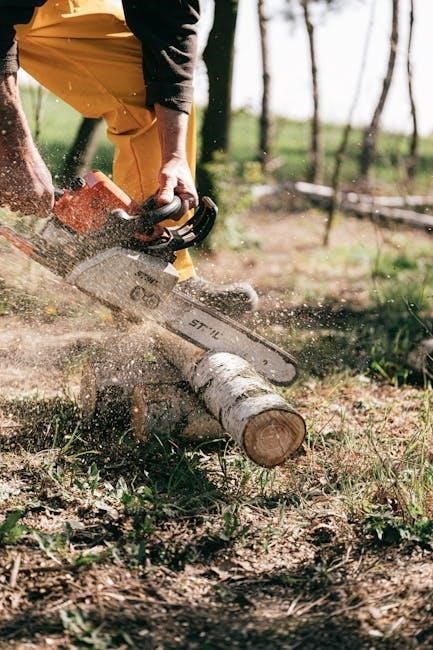
Wear chainsaw-specific chaps or pants constructed with ballistic nylon to protect your legs from accidental contact with the chain. Sturdy‚ steel-toed boots provide foot protection and ankle support. Gloves enhance grip and offer some hand protection.
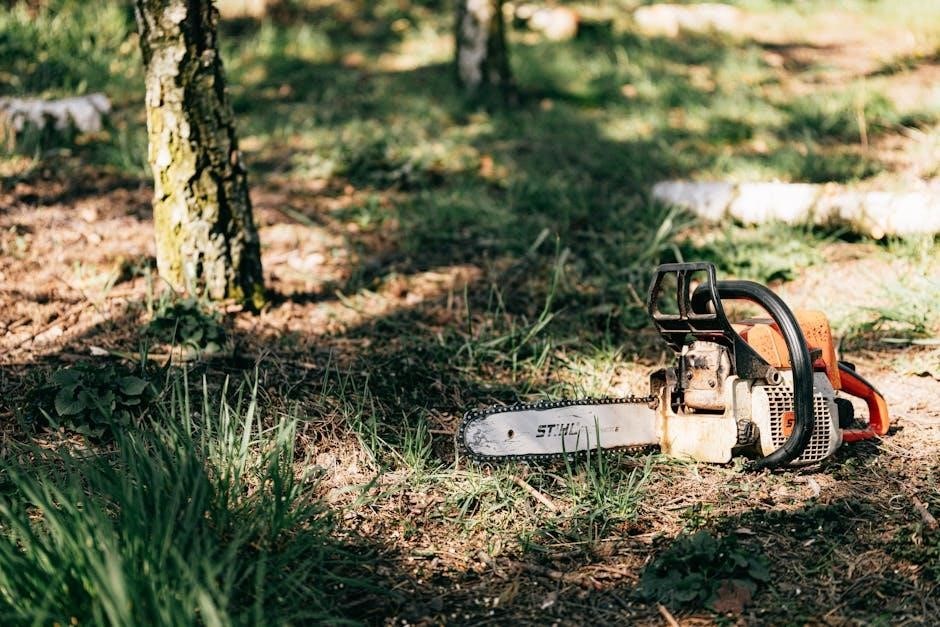
Close-fitting clothing is recommended to avoid entanglement with the saw. Avoid loose garments or jewelry. Proper PPE significantly reduces the risk of severe injuries during chainsaw operation. Inspect all PPE for damage before each use.
Understanding Kickback & How to Avoid It
Kickback is a sudden‚ dangerous upward and backward movement of the chainsaw that occurs when the guide bar’s tip contacts an object‚ or when the wood closes in and pinches the chain. It happens in a fraction of a second‚ potentially causing severe injury.
Avoid kickback by maintaining a firm grip with both hands on the saw‚ keeping your thumb wrapped securely around the handles. Never overreach or cut above shoulder height. Be aware of the kickback zone – the upper quadrant of the guide bar tip;
Keep the chain sharp and properly tensioned. Don’t allow the guide bar tip to contact anything while the chain is moving. Use a reduced-kickback guide bar and chain for added safety. Always maintain control and anticipate potential hazards.
Safe Fuel Handling & Mixing Ratios
Always fuel the chainsaw in a well-ventilated area‚ away from sparks‚ open flames‚ or hot surfaces. Before refueling‚ allow the engine to cool completely. Use a fuel container designed for gasoline and clearly label it. Wipe up any spills immediately.
The Husqvarna 455 Rancher requires a fuel mixture of unleaded gasoline and two-stroke oil. The recommended mixing ratio is 50:1 (50 parts gasoline to 1 part two-stroke oil). Use a high-quality‚ JASO FD or ISO-LGD certified two-stroke oil.
Thoroughly mix the fuel and oil in a clean container before adding it to the chainsaw’s fuel tank. Never use straight gasoline. Store fuel in a safe location‚ out of reach of children‚ and follow all local regulations regarding fuel storage.
Assembly and Initial Setup
Before first use‚ careful assembly is crucial for safe and efficient operation. Unpack the chainsaw and verify all components are present‚ referencing the parts diagram in your manual. Ensure the chain brake is functioning correctly – it should engage when the front hand guard is activated.
Initial setup involves attaching the bar and chain (detailed in the next section) and adjusting chain tension. Proper tension is vital to prevent derailment and ensure smooth cutting. Fill the fuel tank with the correct fuel mixture (50:1) and the chain oil reservoir with bar and chain oil.
Double-check all fasteners are tightened securely before starting the chainsaw. Familiarize yourself with the location of all controls‚ including the choke‚ throttle lock‚ and stop switch.
Attaching the Bar and Chain
Begin by loosening the bar nuts‚ but do not remove them completely. Position the bar onto the chainsaw’s mounting studs‚ ensuring the oil holes on the bar align with the oil outlet on the saw. The drive links of the chain should face in the direction of rotation (towards the nose of the bar).
Carefully fit the chain around the bar‚ seating it properly within the bar’s groove. Replace the bar cover‚ ensuring the chain is held in place. Now‚ tighten the bar nuts evenly‚ alternating between them to apply consistent pressure. Avoid overtightening‚ as this can damage the bar and chain.
Finally‚ verify the chain rotates freely around the bar before proceeding to chain tensioning. Refer to the diagram in your owner’s manual for correct bar and chain orientation.
Chain Tensioning – A Step-by-Step Guide
Loosen the bar nuts slightly to allow for chain adjustment. Locate the chain tensioning screw on the side of the chainsaw. Turning it clockwise will increase tension‚ while counterclockwise decreases it.
Lift the chain midway along the bar; it should pull snugly against the bar’s underside‚ approximately the thickness of a dime (or 3-4mm). Proper tension prevents derailment and ensures efficient cutting.
Tighten the bar nuts securely once the correct tension is achieved‚ again alternating between them. Always check tension after the first few minutes of operation‚ as new chains stretch. Re-adjust as needed. Incorrect tension leads to premature wear and potential hazards.
Filling Fuel and Chain Oil
Fueling: Ensure the chainsaw is switched off and cool. Locate the fuel tank cap and carefully remove it. Use a fuel mixture of unleaded gasoline and two-stroke oil‚ typically a 50:1 ratio (check your manual for specifics!). Slowly pour the mixture into the tank‚ avoiding spillage. Securely replace the cap.
Chain Oil: Locate the oil tank cap‚ usually identified with an oil can symbol. Use a high-quality bar and chain oil designed for chainsaws. Fill the tank‚ but do not overfill.
Check oil levels frequently during operation‚ especially during heavy use. Proper lubrication is crucial for chain and bar life‚ reducing friction and preventing overheating. Always use approved fuel and oil types.
Starting the Chainsaw – Hot & Cold Starts
Cold Start: Ensure the chainsaw is on a flat surface and the chain brake is engaged. Prime the fuel bulb 6-8 times. Set the choke lever to the ‘start’ position. Grip the front handle firmly and pull the starter cord with a smooth‚ deliberate motion. Repeat until the engine fires‚ then disengage the choke.
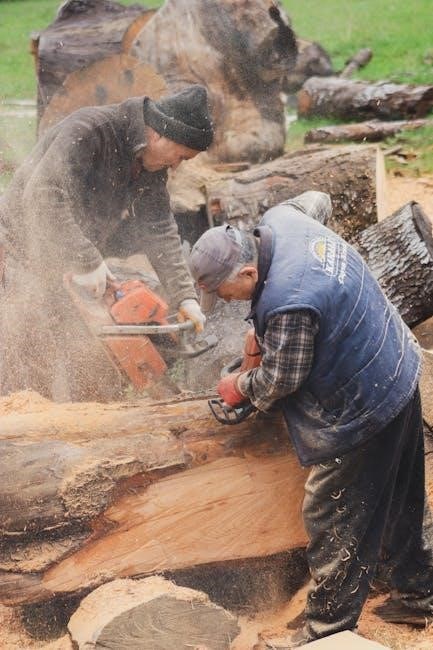
Hot Start: With a warm engine‚ the choke is usually not needed. Simply engage the chain brake‚ grip the handles‚ and pull the starter cord. If it doesn’t start‚ try a quick pull with the choke partially engaged.
Important: Never start a dropped chainsaw. Always maintain a firm grip and clear area.
Troubleshooting Starting Issues
Engine Won’t Fire: Check fuel levels and ensure fresh fuel is being used. A clogged air filter or spark plug can also prevent starting. Inspect and clean/replace as needed. Verify the spark plug wire is securely connected.
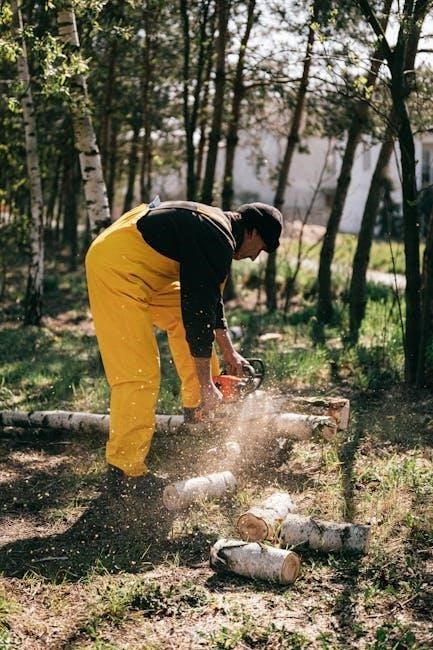
Engine Fires But Won’t Run: This often indicates a carburetor issue. The carburetor may need cleaning or adjustment. Ensure the choke is disengaged properly after the engine initially fires.
Difficult Pulling: Low compression could be the cause. Inspect the piston and cylinder for wear. Also‚ ensure the chain isn’t bound or jammed. Caution: Complex repairs require a qualified technician.
Basic Chainsaw Operation
Before Cutting: Always inspect the chainsaw for loose parts‚ proper chain tension‚ and adequate oil levels. Clear the work area of obstructions and plan an escape route.
Starting the Cut: Begin with a firm stance‚ feet shoulder-width apart. Grip the chainsaw firmly with both hands. Engage the chain brake before starting. Use smooth‚ controlled movements.
During Cutting: Let the chain do the work; avoid forcing it. Maintain a consistent cutting speed. Be aware of the chainsaw’s kickback zone and avoid contact with the tip of the bar. Important: Never overreach or cut above shoulder height.
Proper Stance and Grip
Stance is Key: Maintain a stable‚ balanced stance with feet shoulder-width apart‚ slightly staggered. This provides a solid base for control and reduces fatigue. Keep your weight evenly distributed.
Grip Technique: Grip the chainsaw firmly with both hands. Your left hand should wrap around the front handle‚ and your right hand around the rear handle. A firm‚ but not tense‚ grip is crucial.
Thumb Placement: Wrap your thumbs completely around the handles for maximum control. Avoid gripping the chainsaw with just your fingers. Crucially: Always maintain a secure grip‚ even when the engine is idling.
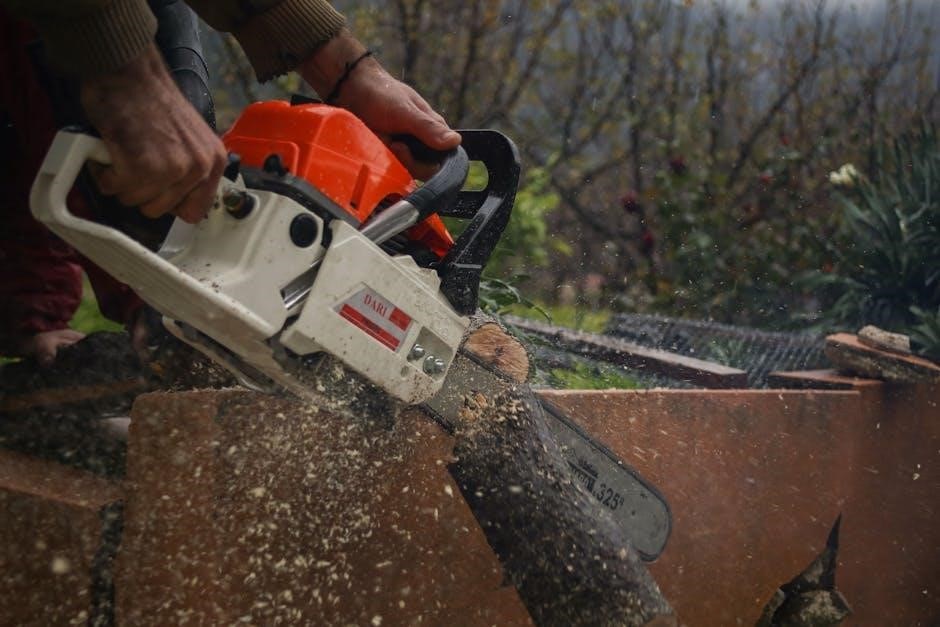
Felling Techniques (Basic Overview)
Planning is Paramount: Before felling‚ assess the tree’s lean‚ wind direction‚ and surrounding obstacles. Plan your escape route at a 45-degree angle from the anticipated fall line.
Notch Cut: Begin with an open-faced notch cut on the side of the tree in the direction you want it to fall. The notch should be approximately one-fifth to one-third of the tree’s diameter.
Back Cut: Make the back cut slightly higher than the notch‚ leaving a hinge of uncut wood. This hinge controls the fall. Never cut completely through the tree!
Wedges: Use felling wedges to help direct the fall and prevent the saw from binding. Be aware of potential kickback and maintain a safe distance as the tree falls.
Limbing and Bucking – Safe Practices
Limbing: Always limb from the base of the tree towards the top‚ keeping the tree between you and the saw. Be mindful of spring poles – branches under tension. Use a firm stance and avoid overreaching.
Bucking: When bucking (cutting logs into shorter lengths)‚ consider the log’s support. If supported at both ends‚ cut from the top. If supported on one end‚ cut from the underside.
Compression & Tension: Understand compression and tension within the log. Cutting on the compression side can cause pinching. Use wedges to prevent binding.
Avoid Twisting: Never twist the saw in the cut. Maintain a controlled and steady cutting motion. Always be aware of your surroundings and potential hazards.
Maintenance – Keeping Your 455 Rancher Running Smoothly
Regular maintenance is crucial for the longevity and performance of your Husqvarna 455 Rancher. Consistent upkeep prevents costly repairs and ensures safe operation. Prioritize cleaning after each use‚ removing sawdust and debris from the cooling fins and handle.
Scheduled servicing includes air filter checks‚ spark plug inspections‚ and bar/chain maintenance. A clean air filter ensures optimal engine performance. Inspect the spark plug for fouling or damage.
Chain sharpening is vital for efficient cutting. A dull chain requires more effort and increases the risk of kickback. Always use appropriate tools and techniques for sharpening.
Air Filter Cleaning and Replacement
Maintaining a clean air filter is paramount for optimal engine performance. A clogged filter restricts airflow‚ reducing power and increasing fuel consumption. Inspect the filter before each use‚ and clean it after every 5-10 hours of operation‚ or more frequently in dusty conditions.
To clean‚ gently tap the filter to remove loose debris. For stubborn dirt‚ wash it with mild soap and warm water‚ ensuring it’s completely dry before reinstalling. Replacement is necessary when the filter is damaged or excessively dirty‚ typically every 25-50 hours.
Always use a genuine Husqvarna air filter to ensure proper fit and filtration; Incorrect filters can damage the engine. Refer to your owner’s manual for the correct filter part number.
Spark Plug Inspection and Replacement
Regular spark plug inspection is crucial for reliable starting and efficient combustion. Inspect the plug every 25-50 hours of operation‚ or when experiencing starting difficulties or misfires. A properly functioning spark plug ensures complete fuel burning‚ maximizing power and minimizing emissions.
To inspect‚ remove the plug and examine the electrode for fouling‚ wear‚ or damage. A healthy plug will have a tan or light gray color. Replacement is necessary if the plug is heavily carboned‚ oily‚ cracked‚ or exhibits excessive electrode wear.
Always use the correct spark plug specified in your owner’s manual (typically a Champion RCJ12YC). Ensure the gap is set correctly before installation. Incorrect plugs or gaps can lead to engine damage.
Bar and Chain Maintenance (Sharpening‚ Cleaning)
Consistent bar and chain maintenance is paramount for safe and efficient cutting. A sharp chain reduces effort‚ improves cut quality‚ and minimizes kickback risk. Regularly clean the bar groove to remove sawdust and debris‚ ensuring smooth chain travel.
Sharpening should be performed when the chain begins to lose its bite. Use a round file of the correct size‚ following the existing angle of the cutting teeth. Maintain consistent depth gauges for optimal performance. Cleaning involves removing oil and pitch buildup with a brush and solvent.
Inspect the bar rails for wear and burrs; file them smooth. Proper lubrication is vital – ensure the chain oiler is functioning correctly. A well-maintained bar and chain significantly extend the chainsaw’s lifespan.
Troubleshooting Common Problems
Encountering issues? This section addresses frequent problems with the Husqvarna 455 Rancher. If the chainsaw won’t start‚ check fuel levels‚ spark plug condition‚ and air filter cleanliness. A flooded engine may require specific starting procedures – consult the full manual.
Frequent chain breakage often indicates improper tension‚ dull chain‚ or incorrect sharpening. Excessive vibration can stem from a damaged bar‚ loose chain‚ or worn engine mounts. Always investigate the source before continuing operation.
Remember to disconnect the spark plug wire before performing any maintenance or troubleshooting. If problems persist‚ consult a qualified Husqvarna service technician for professional assistance. Safety first!
Chainsaw Won’t Start
A non-starting 455 Rancher can be frustrating. First‚ ensure fresh fuel with the correct mixing ratio is present. Check the spark plug – is it clean‚ dry‚ and properly gapped? A fouled plug needs replacement. Verify the spark plug wire is securely connected.
Next‚ inspect the air filter; a clogged filter restricts airflow. Confirm the choke is engaged for cold starts and disengaged for warm restarts. If flooded‚ remove the spark plug and pull the starter cord several times to clear excess fuel.
Lastly‚ check the safety interlock switch. It must be fully engaged. If issues persist‚ a carburetor problem may exist – professional servicing is recommended.
Chain Breaks Frequently
Frequent chain breakage on your Husqvarna 455 Rancher signals several potential issues. First‚ ensure proper chain tension. A loose chain is prone to derailing and snapping. Check for adequate chain lubrication – insufficient oil causes excessive friction and heat.
Inspect the chain itself for damage like worn or missing teeth. A dull chain requires more force‚ increasing the risk of breakage. Avoid twisting the chain during cutting‚ as this stresses the links. Ensure the bar groove is clean and free of debris.
Finally‚ verify you’re using the correct chain for the bar length and the type of wood you’re cutting. Using an inappropriate chain significantly increases breakage risk.
Excessive Vibration
Noticeable vibration during operation of your Husqvarna 455 Rancher can indicate several underlying problems. Initially‚ inspect the anti-vibration system – the rubber mounts between the engine and handles – for wear or damage. Deteriorated mounts significantly increase vibration transfer.
Check the bar and chain for proper installation and tension. A loose or improperly installed chain contributes to imbalance and vibration. Ensure the chain is sharp; a dull chain requires more force‚ exacerbating vibration.
Furthermore‚ examine the sprocket for wear. Worn sprockets cause uneven chain pull‚ leading to vibration. If the issue persists‚ a professional inspection is recommended to rule out internal engine imbalances.
Storage and Winterization
Preparing your Husqvarna 455 Rancher for storage‚ especially during winter‚ is crucial for maintaining its condition. First‚ drain all fuel from the tank and carburetor to prevent gumming and corrosion. Run the engine until it stalls to ensure complete fuel removal.
Next‚ empty the chain oil tank. Clean the exterior of the chainsaw‚ removing sawdust and debris. Inspect the bar and chain‚ applying a light coat of oil to prevent rust. Store the chainsaw in a dry‚ protected location‚ away from extreme temperatures and humidity.
Consider removing the spark plug and adding a teaspoon of 2-stroke oil into the cylinder‚ then gently pull the starter cord to distribute it. This protects the cylinder wall during prolonged storage.
