Philippines Tour Guide: A Comprehensive Overview
Embark on an unforgettable journey! The Philippines, a Southeast Asian archipelago, beckons with stunning landscapes, vibrant culture, and warm hospitality, offering a diverse range of experiences for every traveler․
Welcome to the Pearl of the Orient! The Philippines, an archipelago of over 7,600 islands, presents a captivating blend of natural beauty, rich history, and a uniquely warm culture․ Situated in Southeast Asia, this nation offers an incredibly diverse travel experience, ranging from pristine beaches and vibrant coral reefs to majestic mountains and bustling cityscapes․
Historically influenced by Spanish, American, and indigenous traditions, the Philippines boasts a fascinating cultural tapestry․ This is reflected in its architecture, cuisine, and the genuine hospitality of its people․ As a highly tourism-dependent destination, the Philippines is actively working towards recovery and rebuilding its tourism sector, making it an opportune time to explore its wonders․ Prepare to be enchanted by the smiles, the scenery, and the unforgettable adventures that await!

Visa and Entry Requirements
Planning your trip? Visa requirements for the Philippines depend on your nationality and length of stay․ Many nationalities, including those from the USA, Canada, Australia, and most European countries, can enter the Philippines visa-free for up to 30 days for tourism purposes․ However, it’s crucial to verify the latest regulations based on your specific citizenship before travel․
Upon arrival, you’ll need a valid passport with at least six months of validity remaining․ An onward or return ticket is also generally required․ Currently, travelers may need to present proof of vaccination or a negative COVID-19 test, depending on prevailing health protocols․ It’s highly recommended to check the official website of the Philippine Bureau of Immigration for the most up-to-date information and any potential travel advisories․
Best Time to Visit the Philippines
Seeking ideal weather? The best time to visit the Philippines is during the dry season, which generally runs from November to May․ This period offers sunshine, lower humidity, and calmer seas – perfect for island hopping and outdoor activities․ March to May are typically the hottest months, while November to February provide a more comfortable climate․
However, the Philippines experiences a monsoon season from June to October․ While travel is still possible during these months, expect higher rainfall and potential typhoons․ Regional variations exist; for example, the Visayas region often experiences drier conditions earlier than Luzon․ Consider your desired activities and tolerance for rain when planning your trip․ Checking weather forecasts closer to your travel dates is always advisable for a smoother experience․
Popular Tourist Destinations
Discover the gems of the archipelago! The Philippines boasts a wealth of captivating destinations․ Manila, the bustling capital, offers historical sites like Intramuros and a vibrant modern cityscape․ For beach lovers, Boracay’s white sands and turquoise waters are legendary, while Palawan, dubbed the “Last Frontier,” showcases stunning lagoons and dramatic limestone cliffs․
Adventure seekers flock to Siargao, the surfing capital, known for its iconic Cloud 9 wave․ Beyond these hotspots, explore the Chocolate Hills of Bohol, the rice terraces of Banaue, and the pristine beaches of Cebu․ Each region presents a unique blend of natural beauty, cultural experiences, and thrilling activities, ensuring an unforgettable journey through this diverse nation․
Manila: The Capital City
Immerse yourself in a vibrant metropolis! Manila, the Philippines’ dynamic capital, is a captivating blend of history, culture, and modernity․ Explore Intramuros, the walled city, a UNESCO World Heritage site, and step back in time amidst its Spanish colonial architecture․ Wander through Fort Santiago, a significant historical landmark, and experience the charm of cobblestone streets and horse-drawn carriages․
Beyond Intramuros, discover bustling markets like Divisoria, indulge in diverse culinary delights, and experience the city’s energetic nightlife․ Visit the National Museum Complex, showcasing Filipino art and history․ Manila offers a unique urban experience, a fascinating contrast to the country’s idyllic islands, making it a must-visit destination for any traveler․
Beaches and Islands
Discover paradise across 7,000+ islands! The Philippines boasts some of the world’s most breathtaking beaches and islands, offering diverse experiences for sun-seekers and adventure enthusiasts․ From the powdery white sands of Boracay to the hidden lagoons of Palawan, and the surfing waves of Siargao, there’s an island to suit every taste․
Explore vibrant coral reefs teeming with marine life, perfect for snorkeling and diving․ Relax on pristine shores, soak up the sun, and enjoy the laid-back island lifestyle․ Island hopping tours reveal secluded coves, dramatic cliffs, and charming local villages․ The Philippines’ islands are truly a tropical haven, promising unforgettable memories and a rejuvenating escape․
Boracay: Paradise Found
Experience the iconic beauty of Boracay! This small island, consistently ranked among the world’s best, captivates visitors with its powdery white sand, crystal-clear turquoise waters, and vibrant nightlife․ White Beach, the island’s main stretch, offers a perfect blend of relaxation and activity․
Enjoy swimming, sunbathing, parasailing, and windsurfing․ As the sun sets, Boracay transforms into a lively hub with beachfront restaurants, bars, and fire dancers․ Beyond White Beach, explore Diniwid Beach for tranquility or Bulabog Beach for windsurfing․ Boracay’s rehabilitation efforts have ensured its continued beauty, making it a sustainable paradise for generations to come․ It’s a must-visit destination!
Palawan: The Last Frontier
Discover the untouched beauty of Palawan! Often hailed as the “Last Frontier” of the Philippines, Palawan is an archipelago boasting dramatic limestone cliffs, emerald lagoons, and diverse marine life․ El Nido, with its hidden beaches and secret lagoons, is a prime destination for island hopping and kayaking․
Puerto Princesa is home to the world-renowned Underground River, a UNESCO World Heritage Site․ Coron offers breathtaking wreck diving opportunities and stunning lakes surrounded by towering karst formations․ Palawan’s commitment to ecotourism ensures the preservation of its natural wonders․ Explore pristine beaches, vibrant coral reefs, and lush rainforests – a true paradise for nature lovers and adventurers alike․ It’s an unforgettable experience!
Siargao: Surfing Capital
Ride the waves in Siargao! This teardrop-shaped island is globally recognized as the Surfing Capital of the Philippines, attracting surfers of all levels․ Cloud 9, with its iconic boardwalk and powerful right-hand barrel waves, is the main draw, hosting international surfing competitions․
However, Siargao offers much more than just surfing․ Explore the Magpupungko Rock Pools at low tide, revealing stunning natural tidal pools perfect for swimming․ Discover the Sugba Lagoon, a serene turquoise lagoon ideal for paddleboarding and kayaking․ Immerse yourself in the laid-back island vibe, enjoy fresh seafood, and connect with the friendly locals․ Siargao is a haven for adventure seekers and those seeking a relaxed tropical escape․
Historical and Cultural Sites
Delve into the Philippines’ rich past! Beyond its natural beauty, the Philippines boasts a compelling history and vibrant cultural heritage․ Explore centuries-old churches, colonial architecture, and UNESCO World Heritage Sites that narrate the nation’s story․
Intramuros in Manila, the “Walled City,” offers a glimpse into Spanish colonial life, with its cobblestone streets, historic forts, and grand cathedrals․ Journey to Vigan, a remarkably preserved Spanish town, showcasing unique architecture and a charming atmosphere․ Discover ancestral homes, museums, and local crafts․ These sites provide a profound understanding of the Philippines’ diverse influences and enduring traditions, offering a captivating cultural experience for every visitor․
Intramuros: A Glimpse into the Past
Step back in time within Manila’s historic heart! Intramuros, meaning “within the walls,” is a beautifully preserved Spanish colonial city offering a captivating journey into the Philippines’ past․ Explore its cobblestone streets by foot, bamboo bike, or kalesa (horse-drawn carriage), immersing yourself in a bygone era․
Visit Fort Santiago, a significant historical landmark that witnessed pivotal moments in Philippine history․ Marvel at the grandeur of San Agustin Church, a UNESCO World Heritage Site and one of the oldest churches in the country․ Wander through the charming plazas and discover hidden courtyards․ Intramuros provides a tangible connection to the Philippines’ colonial heritage, offering a unique and unforgettable cultural experience․
Vigan: A UNESCO World Heritage Site
Discover a living museum in Ilocos Sur! Vigan City, a UNESCO World Heritage Site, is a remarkably well-preserved example of a Spanish colonial town in Asia․ Its unique architecture, a blend of native Filipino, Chinese, and European influences, transports visitors to another time․
Stroll along Calle Crisologo, Vigan’s iconic street, lined with ancestral houses boasting ornate facades and capiz shell windows․ Explore the Bantay Church and Bell Tower, offering panoramic views of the city․ Indulge in local delicacies like empanada and longganisa․ Vigan offers a captivating glimpse into the Philippines’ rich cultural heritage, making it a must-visit destination for history buffs and culture enthusiasts alike․
Filipino Cuisine: A Culinary Adventure
Prepare your taste buds for an explosion of flavors! Filipino cuisine is a delightful fusion of indigenous, Spanish, Chinese, and American influences, resulting in a unique and diverse culinary landscape․ From savory to sweet, there’s something to satisfy every palate․
Don’t miss trying Adobo, the national dish, typically chicken or pork braised in soy sauce, vinegar, garlic, and peppercorns․ Savor the rich flavors of Sinigang, a sour and savory soup․ Indulge in Lechon, a roasted pig with crispy skin․ Explore street food favorites like halo-halo (a shaved ice dessert) and isaw (grilled chicken intestines)․ Filipino food is a true culinary adventure, offering a delicious insight into the country’s culture․
Accommodation Options
Finding the perfect place to stay is easy! The Philippines caters to all budgets and preferences, offering a wide range of accommodation options․ From luxurious resorts to budget-friendly hostels, you’ll find something to suit your needs․
Luxury Resorts abound, particularly in destinations like Boracay and Palawan, offering world-class amenities, private beaches, and impeccable service․ For travelers seeking a more affordable experience, Budget-Friendly Hostels are plentiful in major cities and tourist hotspots, providing a social atmosphere and basic comforts․ Guesthouses and boutique hotels offer a charming, local experience․ Consider Airbnb for unique stays․ Booking in advance, especially during peak season, is highly recommended to secure your preferred accommodation․
Luxury Resorts
Indulge in unparalleled comfort and service! The Philippines boasts a stunning collection of luxury resorts, primarily concentrated in world-renowned destinations like Boracay, Palawan, and Cebu․ These resorts redefine opulence, offering private beaches, infinity pools, and exquisite dining experiences․
Expect exceptional amenities such as spas, water sports facilities, and personalized concierge services․ Many resorts prioritize sustainability and eco-tourism, blending luxury with responsible travel․ Shangri-La’s Boracay and El Nido Resorts in Palawan are prime examples, offering overwater bungalows and breathtaking views․ Prices range significantly, but anticipate a higher cost for these premium experiences․ Booking well in advance is crucial, especially during peak tourist seasons, to secure availability and potentially benefit from early-bird discounts․
Budget-Friendly Hostels
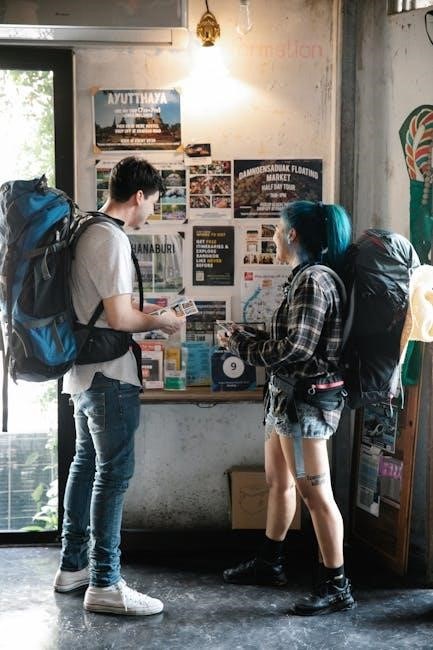
Explore the Philippines without breaking the bank! For backpackers and budget travelers, the Philippines offers a thriving hostel scene, particularly in popular tourist hubs like Manila, Cebu, and Siargao․ These hostels provide affordable accommodation, fostering a social atmosphere perfect for meeting fellow adventurers․
Expect dormitory-style rooms, common areas, and often, organized tours and activities․ Many hostels now offer private rooms as well, providing a balance between affordability and privacy․ Prices typically range from $10 to $30 per night․ Websites like Hostelworld and Booking․com are excellent resources for finding and comparing options․ Look for hostels with good reviews regarding cleanliness, security, and location․ They’re a fantastic way to experience Filipino culture and connect with other travelers on a similar journey․
Transportation within the Philippines
Navigating the Philippine archipelago requires planning! The Philippines boasts a diverse transportation network, ranging from convenient to adventurous․ Domestic flights are the quickest way to travel between islands, with airlines like Cebu Pacific and Philippine Airlines offering competitive fares․ For shorter distances, ferries and boats are essential, connecting numerous islands – schedules can vary, so check in advance․
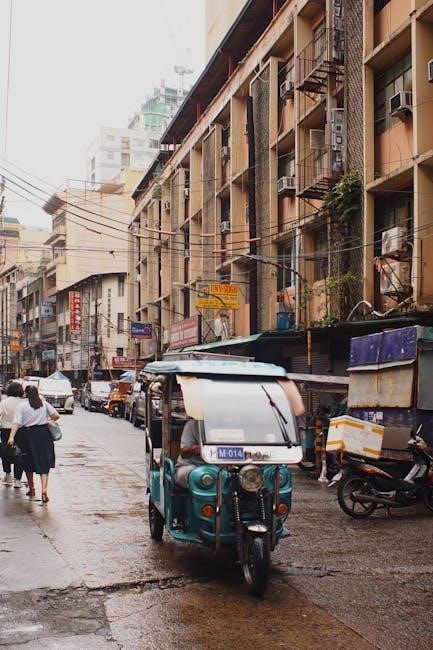
On land, buses are the most common and affordable option for long-distance travel․ Jeepneys, uniquely Filipino, provide local transport within cities and towns․ Tricycles are ideal for short hops, while taxis and ride-hailing apps (Grab) are readily available in urban areas․ Be prepared for traffic congestion, especially in Manila․ Consider pre-booking transportation, particularly during peak season, to ensure a smooth journey․
Safety and Health Precautions
Prioritize well-being during your Philippine adventure! While generally a safe destination, awareness is key․ Petty theft can occur in crowded areas, so safeguard your belongings․ Be cautious of your surroundings, especially at night, and avoid displaying expensive jewelry or electronics․
Health-wise, consult your doctor regarding necessary vaccinations and malaria precautions․ Drink bottled or purified water to avoid stomach upsets․ Food safety is important; choose reputable establishments․ Dengue fever is present, so use mosquito repellent․ The Philippines is prone to typhoons, particularly between June and November – monitor weather forecasts․ Travel insurance is highly recommended, covering medical emergencies and trip cancellations․ Respect local customs and traditions for a harmonious experience․
Money and Currency Exchange
Managing your finances in the Philippines is straightforward! The official currency is the Philippine Peso (PHP)․ Credit cards are accepted in major hotels, restaurants, and larger stores, particularly in Manila and tourist hotspots․ However, smaller establishments and provincial areas often prefer cash․
Currency exchange is readily available at banks, airports, and authorized money changers․ Avoid exchanging money on the street․ ATMs are widely accessible in cities, but may be limited in rural areas․ Notify your bank of your travel plans to avoid card blocks․ It’s advisable to have smaller denominations for easier transactions․ Tipping isn’t mandatory, but appreciated for good service – around 10% is customary․ Be mindful of exchange rates and potential fees․
Philippine Festivals and Events
Immerse yourself in the vibrant Filipino culture! The Philippines is renowned for its colorful and lively festivals, often rooted in religious traditions and local harvests․ Sinulog in Cebu (January) is a grand celebration honoring the Santo Niño, featuring street parades and dances․ Ati-Atihan in Kalibo, Aklan (January) is known for its painted bodies and energetic performances․
Pahiyas in Lucban, Quezon (May) showcases beautifully decorated houses with fruits and vegetables․ Kadayawan in Davao (August) celebrates the bounty of the harvest and indigenous cultures․ These festivals offer a unique glimpse into Filipino traditions, with music, dance, food, and community spirit․ Check the festival calendar before your trip to experience these unforgettable events!
Responsible Tourism in the Philippines
Travel with respect and contribute positively! Responsible tourism is crucial for preserving the Philippines’ natural beauty and cultural heritage․ Support local businesses and communities by choosing locally-owned accommodations, restaurants, and tour operators․ Minimize your environmental impact by reducing plastic use, properly disposing of waste, and conserving water and energy․
Respect local customs and traditions, dress modestly when visiting religious sites, and ask permission before taking photographs of people․ Be mindful of marine life when snorkeling or diving, avoiding touching coral reefs or disturbing marine animals․ Consider participating in eco-tourism initiatives that promote conservation and community development․ By practicing responsible tourism, you can help ensure the Philippines remains a beautiful destination for generations to come․
Language and Communication
Bridging the gap for seamless interactions! The Philippines is a linguistically diverse country with over 170 languages spoken․ However, Filipino (based on Tagalog) and English are the official languages․ English is widely spoken, particularly in urban areas and tourist destinations, making communication relatively easy for international visitors․
Learning a few basic Filipino phrases like “Magandang araw” (Good day) or “Salamat” (Thank you) is greatly appreciated by locals․ Outside of Manila and major cities, English proficiency may vary, so patience and clear communication are key․ Non-verbal cues are also important; Filipinos are generally polite and indirect in their communication style․ Utilizing translation apps can be helpful in more remote areas, ensuring smooth and respectful interactions throughout your journey․
Internet and Connectivity
Staying connected in the Philippine archipelago! Internet access in the Philippines has been steadily improving, but connectivity can still be variable, especially outside major cities․ Wi-Fi is readily available in hotels, resorts, cafes, and restaurants in urban areas like Manila and Cebu․ However, speeds can be inconsistent․
Purchasing a local SIM card with a data plan is highly recommended for reliable internet access on the go․ Globe and Smart are the two major telecommunication providers offering competitive rates․ 4G and 5G networks are available in many areas, but coverage can be spotty in remote islands or mountainous regions․ Be prepared for slower speeds or limited connectivity when venturing off the beaten path․ Consider downloading offline maps and essential travel information before your trip to ensure seamless navigation․
Shopping in the Philippines
A shopper’s paradise awaits! The Philippines offers a diverse shopping experience, from modern malls to bustling local markets․ Manila is a hub for large, air-conditioned malls like SM Mall of Asia and Ayala Center, featuring international brands and local retailers․ For unique souvenirs and handicrafts, explore markets like Divisoria and Greenhills, where bargaining is expected․
Beyond Manila, Cebu offers a vibrant shopping scene with its own array of malls and markets․ Look for locally made products such as pearls, textiles, wood carvings, and traditional clothing․ Don’t forget to sample and purchase delicious Filipino delicacies like mangoes, cashew nuts, and local chocolate․ Remember to check for duty-free allowances when bringing goods back home, and always be mindful of your belongings in crowded areas․
Post-Pandemic Tourism Recovery in the Philippines
A gradual resurgence is underway! The Philippines faced a “staggering road to recovery” as one of Southeast Asia’s most tourism-dependent nations, according to Skift․ Initial impacts were severe, but the country is actively rebuilding its tourism sector․ Strategies focus on restoring traveler confidence through enhanced health and safety protocols, and promoting domestic tourism to stimulate local economies․
Recent efforts include easing travel restrictions, vaccination campaigns targeting tourism workers, and marketing campaigns highlighting the Philippines’ diverse attractions․ While tourist arrivals remain below pre-pandemic levels, trends indicate a positive trajectory․ The government is investing in infrastructure and sustainable tourism initiatives to ensure a resilient and responsible recovery, aiming to regain its position as a premier travel destination․
Tourist Arrivals Trends
Analyzing the ebb and flow of visitors! Historically, the Philippines experienced consistent growth in tourist arrivals before the COVID-19 pandemic․ Data from Mavink․com and Mungfali․com reveals a peak in international visitors in 2019․ However, 2020 and 2021 witnessed dramatic declines due to global travel restrictions and lockdowns, significantly impacting the tourism-dependent economy․
Currently, trends show a gradual upward climb in arrivals as restrictions ease and vaccination rates increase․ Skift reports a focus on attracting domestic tourists to bolster the industry during the recovery phase․ While numbers haven’t fully rebounded to pre-pandemic levels, there’s optimism for continued growth․ Monitoring these trends is crucial for strategic planning and resource allocation within the Philippine tourism sector, ensuring sustainable development and future success․
Current Tourism Statistics
A snapshot of the present landscape! As of late 2025 (12/30/2025 22:34:02), the Philippines tourism sector is navigating a recovery period․ While precise, real-time figures are dynamic, available data indicates a substantial increase in tourist arrivals compared to the depths of the pandemic in 2020 and 2021․ Skift․com highlights the nation’s significant reliance on tourism revenue, making the recovery particularly vital․
Recent reports suggest a growing proportion of domestic travelers alongside a resurgence in international visitors, primarily from East Asian countries․ Though not yet matching 2019 levels, the trend is positive․ Mungfali․com and Mavink․com provide historical context, demonstrating the scale of the pre-pandemic boom․ Continued monitoring of arrival numbers, visitor spending, and occupancy rates is essential for gauging the sector’s health and informing future strategies․
Future Outlook for Philippine Tourism
A promising horizon awaits! The Philippines’ tourism future hinges on sustained recovery and strategic development․ Building upon the current upward trend, the nation aims to regain and surpass pre-pandemic visitor numbers․ Key to this will be continued investment in infrastructure, particularly in emerging destinations beyond the well-trodden paths of Boracay and Palawan․
Focusing on sustainable tourism practices is crucial, balancing economic growth with environmental preservation and community benefit․ Diversifying tourism offerings – promoting cultural experiences, adventure tourism, and eco-tourism – will attract a wider range of travelers․ Addressing safety and health concerns, alongside streamlined travel processes, remains paramount․ The Philippines, as a highly tourism-dependent nation (as noted by Skift․com), must prioritize innovation and adaptability to thrive in the evolving global travel landscape․